
What is the Relationship Between Obesity and Fertility?
Body mass index (BMI) and adipose tissue directly affect hormonal balance, ovulatory cycles, sperm production, and IVF success rates. Discover the scientific biology behind weight and reproduction, and how medically supervised weight management improves fertility outcomes.
Fertility & Health Consultation
Dr. Fady Sharara and the VCRM team offer personalized care combining advanced reproductive technologies with metabolic and lifestyle support.
Schedule Consultation (571) 443-8322What is the Relationship Between Obesity and Fertility?
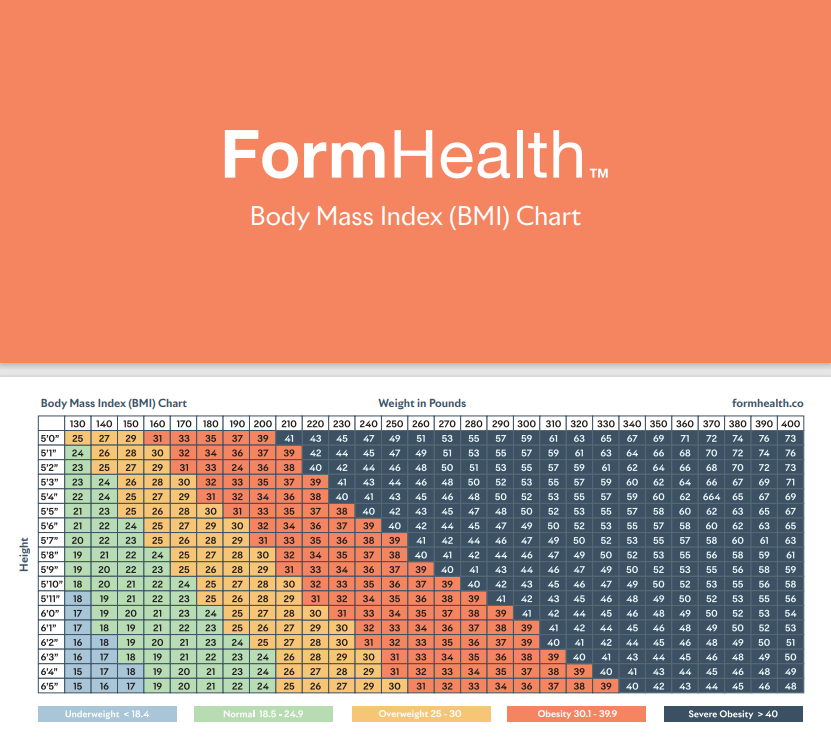
In clinical medicine, obesity is defined as a Body Mass Index (BMI) equal to or greater than 30 kg/m². Because obesity is widespread in modern society—affecting more than 40% of adult Americans—approximately 25% of women in the United States who become pregnant have obesity.
Extensive clinical research demonstrates that excess weight and adipose tissue adversely impact a woman's ability to conceive naturally:
- Lower Spontaneous Pregnancy Rates: As BMI increases above the normal range (18.5–24.9), the statistical time to conception lengthens, and spontaneous monthly fecundity declines.
- Elevated Maternal Complications: Preconception obesity significantly increases the risk of developing gestational diabetes mellitus (GDM), gestational hypertension, and preeclampsia.
- Fetal & Perinatal Risks: Higher maternal BMI is associated with increased rates of miscarriage, fetal macrosomia (abnormally high birth weight), labor dystocia, and cesarean delivery.
More than 40% of Americans meet clinical obesity criteria (BMI > 30).
1 in 4 pregnant women in the US enter pregnancy with clinical obesity.
Losing just 5–10% of body weight significantly restores ovulatory cycles.
What is it About Body Fat That Affects Fertility?
The biology underlying the relationship between body fat and reproductive capacity is fascinating—yet complex. Adipose tissue (body fat) is not merely an inert energy storage depot; it functions as an active endocrine organ that secretes hormones, cytokines, and signaling molecules.
Estrogen & Androgen Conversion
Adipose cells contain high levels of the enzyme aromatase, which converts male androgens into estrogen. Excess adipose volume leads to chronically elevated circulating estrogens, which feed back negatively on the pituitary gland, suppressing FSH release and disrupting ovulation.
Insulin Resistance & PCOS
Obesity frequently promotes hyperinsulinemia and peripheral insulin resistance. High insulin stimulates the ovaries to overproduce androgens (testosterone), leading to follicular arrest and anovulation, as seen in Polycystic Ovary Syndrome (PCOS).
Ovulation Disruption & Oocyte Quality
Due to these endocrine disturbances, women with elevated BMI experience significantly lower rates of regular spontaneous ovulation. However, anovulation is only part of the story:
Clinical data confirms that even when ovulating regularly, women with obesity experience lower pregnancy rates per cycle. Excess adiposity generates chronic low-grade systemic inflammation, elevated follicular leptin, and mitochondrial oxidative stress within the follicular fluid. This alters oocyte maturation, reduces fertilization efficiency, and compromises early embryo development.
How Obesity Impacts Male Fertility & Sperm Quality
Infertility affects both partners equally. Obesity has a well-documented adverse impact on male reproductive parameters and seminal health:
- Oligospermia (Low Sperm Count): Men with obesity have a significantly higher incidence of reduced sperm concentrations compared to men with normal BMI.
- Asthenozoospermia (Impaired Motility): Excess weight correlates with diminished sperm motility, limiting the sperm's ability to navigate the female reproductive tract.
- Scrotal Hyperthermia: Adipose tissue accumulation in the suprapubic and medial thigh regions increases scrotal temperatures. Spermatogenesis requires a scrotal environment 2–4°C below core body temperature; chronic elevation damages developing sperm cells.
- Hormonal Imbalance in Men: Just as in women, excess aromatase in adipose tissue converts testosterone into estrogen. This leads to reduced circulating free testosterone and elevated estradiol, impairing testicular function.
- Elevated Sperm DNA Fragmentation: Systemic oxidative stress associated with obesity damages the integrity of sperm DNA, which can contribute to failed fertilization, poor blastocyst development, and recurrent pregnancy loss. Learn more about our advanced Sperm DNA Fragmentation Testing.
Does Weight Loss Improve Fertility?
Yes, unequivocally.
Rigorous clinical research shows that when a woman with obesity achieves meaningful weight loss, her reproductive outcomes improve substantially:
The 10% Weight Loss Landmark
Losing just 10% of starting body weight (and in many cases, as little as 5%) restores regular menstrual cyclicity, dramatically increases spontaneous ovulation rates, and significantly elevates natural pregnancy rates. Furthermore, pregnancies conceived following preconception weight reduction exhibit substantially lower rates of maternal and neonatal complications.
Weight reduction decreases circulating insulin, lowers free testosterone, and normalizes the gonadotropin-releasing hormone (GnRH) pulsatility necessary for normal follicular recruitment and healthy luteal phase support.
Weight Loss, IVF Success Rates & Anesthesia Safety
What do we know about how preconception weight reduction impacts outcomes for patients undergoing assisted reproductive technology (ART) such as In Vitro Fertilization (IVF)?
Data from two landmark multicenter randomized controlled trials (RCTs) evaluating diet, physical activity, and lifestyle interventions in women with obesity seeking pregnancy revealed key clinical insights:
- Spontaneous Conception Prior to IVF: Women who engaged in structured preconception weight loss had a significantly higher likelihood of conceiving naturally before their scheduled IVF cycle even began.
- Reduced Pregnancy Complications: For women who still required IVF to conceive, preconception weight reduction significantly decreased the risk of gestational hypertension, pre-term delivery, and metabolic syndrome / insulin resistance during pregnancy.
BMI Thresholds & Anesthesia Safety in IVF Centers
Beyond reproductive success rates, a critical safety consideration for women with obesity is that most fertility centers across the United States maintain a BMI threshold (typically below 35–40) for undergoing IVF.
This requirement is based strictly on patient safety during anesthesia. Transvaginal egg retrieval is performed under intravenous sedation or general anesthesia. Elevated BMI significantly increases risks of airway obstruction, respiratory compromise, and anesthetic complications. Achieving targeted weight loss is often the crucial step that transforms a patient from being ineligible to safely qualifying for fertility treatment.
Can Women with Infertility and Obesity Achieve Successful Weight Loss?
Absolutely. Sustainable weight loss is achievable, even for individuals who have struggled with weight for years or whose weight has been affected by fertility medications.
Many individuals are unfamiliar with Obesity Medicine, an evidence-based medical subspecialty dedicated to diagnosing and treating the complex biological, metabolic, and genetic factors influencing body weight. Obesity medicine specialists evaluate metabolic drivers and deploy science-backed medical, nutritional, and behavioral strategies tailored to each individual.
VCRM & Form Health: Comprehensive Collaborative Care
At the Virginia Center for Reproductive Medicine, we collaborate closely with Form Health to provide comprehensive, medically supervised weight loss care for our patients:
Board-Certified MD + Dietitian
Each patient is paired with an obesity medicine physician and a dedicated weight management registered dietitian.
Convenient Telehealth App
All consultations, dietary tracking, and physician oversight are delivered conveniently through your smartphone.
Lifelong Healthy Habits
Establishing nutritional and metabolic habits that protect health through preconception, pregnancy, and postpartum.
Learn More About Form Health for VCRM Patients
Visit the dedicated Form Health VCRM portal to check insurance coverage and get started with a personalized medical weight loss plan.
Visit Form Health VCRM PortalForm Health Clinical Fertility Brochure
Download our official collaborative patient brochure containing in-depth details on medically supervised weight loss, clinical eligibility, physician-dietitian support, and program benefits:
Form Health Fertility Brochure
Official VCRM & Form Health Guide • PDF DocumentComprehensive guide detailing how medically supervised weight loss can optimize your chances of a healthy pregnancy, support IVF eligibility, and improve long-term metabolic health.
Frequently Asked Questions About Obesity & Fertility
How does a high BMI affect my ability to get pregnant naturally?
Elevated BMI increases adipose tissue, where the enzyme aromatase converts androgens to estrogens. This causes hormonal imbalances that suppress follicle-stimulating hormone (FSH) and disrupt ovulation. In addition, obesity-related insulin resistance and chronic systemic inflammation can impair oocyte quality and reduce endometrial receptivity, lowering monthly conception rates even when ovulation occurs.
Why do IVF clinics have BMI limits (such as BMI below 35 or 40)?
BMI limits in reproductive clinics are established primarily for anesthesia safety. Transvaginal egg retrieval requires intravenous sedation. Higher BMI significantly elevates the risks of airway obstruction, reduced oxygenation, and cardiopulmonary complications during outpatient anesthesia. Achieving preconception weight loss ensures you can undergo egg retrieval safely.
How much weight do I need to lose to see an improvement in fertility?
You do not need to reach an "ideal" weight to experience profound fertility benefits. Clinical trials demonstrate that losing just 5% to 10% of your starting body weight significantly restores regular ovulatory cycles, improves insulin sensitivity, increases spontaneous conception rates, and lowers the risk of gestational diabetes and hypertension.
Does male obesity have a significant impact on fertility?
Yes. Obesity in men causes peripheral estrogen conversion (lowering testosterone), elevated scrotal temperatures due to excess tissue, and increased systemic oxidative stress. These factors contribute to low sperm counts (oligospermia), poor motility (asthenozoospermia), and higher levels of sperm DNA fragmentation.
What is the Form Health program at VCRM?
Form Health is an evidence-based medical weight loss program paired with VCRM. Patients receive 1-on-1 personalized telehealth care from a board-certified obesity medicine physician and a registered dietitian. The program focuses on sustainable lifestyle changes, nutritional guidance, and medical oversight tailored specifically to patients preparing for pregnancy.
Can I participate in medical weight loss while undergoing fertility testing?
Yes. Diagnostic fertility evaluations (such as ovarian reserve testing, semen analysis, and tubal patency checks) can be performed concurrently with medical weight management. Your fertility specialist and obesity medicine physician will coordinate timing so that you are in optimal metabolic health when beginning treatment cycles such as IUI or IVF.
Take the Next Step Toward Your Healthy Pregnancy
Whether you are exploring medical weight management, fertility testing, or advanced IVF solutions, Dr. Fady Sharara and our expert team are here to guide you with compassionate, science-backed care.